
The Healthy Home hub
Healthy home guidance for buying, building and living.
Your home is the environment where your life unfolds. Here is how we think about creating one that supports comfort, wellbeing and the way you want to live, in Raleigh and beyond.
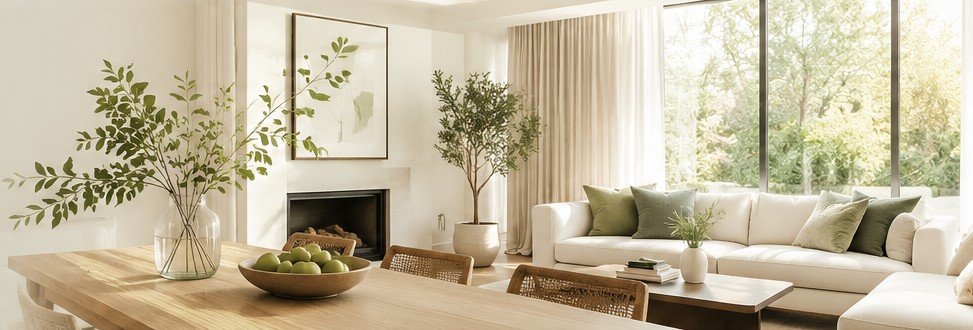
Why your home matters
The backdrop for every ordinary day.
We spend so much of our lives inside our homes. It is where we sleep, breathe, recharge, connect and make memories. Yet one of life’s biggest decisions is often made on location, size and price alone.
Does this home support the life you want to live?
The spaces we live in influence how we feel in our environment, how comfortable and connected we are, and how well our routines are supported. Creating a healthier home does not mean perfection. It means understanding your options, asking better questions and making intentional choices that fit your priorities.
Mindful Moves brings together two worlds that are rarely connected: real estate expertise and public health, behavioral science and wellness expertise. With more than 30 years of experience helping people make informed decisions that improve wellbeing, our founder shapes how we guide every client.
The Mindful Moves Healthy Home Framework™
A simple way to look at any home.
Five areas give you a practical lens, whether you are touring a house, reviewing building plans or planning your next improvement. Choose one to explore.
Ventilation, filtration and moisture
Air
The air inside a home is shaped by how it is ventilated, filtered and kept dry. These are some of the easiest areas to ask about and improve.
What to look at
- Bathroom fans and range hoods that vent to the outdoors
- Age and condition of the HVAC system and its filters
- Signs of past or present moisture
- Whether the home has ever been tested for radon
Questions to ask
- When was the HVAC system last serviced, and what size filter does it use?
- Does the kitchen range hood vent outside?
- Has the home been tested for radon, and can I see the results?
One practical step
Replace your HVAC filter on schedule and run the bathroom fan during and after showers.
Source, plumbing and quality
Water
Where your water comes from and how it travels through the home are worth understanding before you buy or build.
What to look at
- Public water or private well
- Age and materials of the plumbing
- Existing filtration and how it is maintained
- Any history of leaks or water damage
Questions to ask
- Is the home on public water or a well? When was a well last tested?
- Can I see the most recent water quality report from the utility?
- What are the supply lines made of, and have any been replaced?
One practical step
Request your utility’s latest water quality report. If you are on a well, ask a certified lab about testing.
Finishes, flooring and furnishings
Materials
Paints, flooring, cabinetry and adhesives all come from somewhere. Some products carry third-party certifications for low emissions, and you can ask for them by name.
What to look at
- Flooring, cabinets and countertops, and what they are made of
- Paints, stains and sealants labeled low-VOC
- Third-party certifications such as GREENGUARD Gold or FloorScore
- How new materials were ventilated after installation
Questions to ask
- Which products and adhesives were used, and can I see the documentation?
- Are there low-emission certifications for the flooring and cabinetry?
- How long was the home ventilated before move-in?
One practical step
Choose low-VOC paints and finishes for your next project, and air out new furnishings before they come inside.
Daylight, views and lighting design
Light
Natural light and well-planned artificial lighting influence how a space feels from morning to night.
What to look at
- Which rooms get morning and afternoon light
- Window size, placement and glare
- Layered lighting in the rooms you use most
- Views of trees and sky
Questions to ask
- Which direction do the main living spaces face?
- Where would I work, cook and read, and is the light right there?
- Can window coverings be adjusted easily?
One practical step
Notice which rooms get morning light, then plan the spaces you use most around it.
Layout, routines and long-term fit
Lifestyle
A home works best when it fits how you actually live. That includes where you rest, work, cook, gather and spend time outside.
What to look at
- A quiet place to rest and recharge
- Space to work, move and gather
- Easy access to outdoor space
- Flexibility as your needs change over time
Questions to ask
- Walk me through a normal weekday here. Where would each part happen?
- Which rooms could serve a different purpose later?
- How does the home connect with the outdoors?
One practical step
Write down your three most important daily routines, then walk through each house as if you were living them.
This framework is educational. It is not a substitute for a licensed home inspector, tests by qualified professionals or advice from your healthcare provider.
The Mindful Moves Method™
A thoughtful approach to a home that fits your life and values.
Whether you are buying an existing home, building new or improving the home you have, we help you approach each decision with intention.
Discover
We begin with what matters most to you, beyond bedrooms, bathrooms and square footage. Your lifestyle, priorities, routines and goals.
Evaluate
We look past the obvious at features, design elements and opportunities that help a home fit your goals.
Navigate
We guide you through the real estate process with expertise, education and clear, thoughtful recommendations.
Thrive
Whether you are buying, selling or building, you end up in a home that supports your next chapter.
Healthy homes are personal
There is no single definition of a perfect home.
Every person and household is different. The right home is the one that supports what matters most to you. For some people, that means:
- Creating an environment that supports everyone in your household
- Planning for specific health or accessibility needs
- Building a custom home with intentional choices
- Making thoughtful improvements over time
- Creating a more peaceful, restorative space

How Mindful Moves can help
Wherever you are on your home journey.
Buying
Identify opportunities and ask better questions when choosing your next home.
BuyingBuilding
Approach new construction decisions with a thoughtful, informed perspective.
BuildingSelling
Position your home and communicate the features that matter to today’s buyers.
SellingImproving your home
Education and resources to help you make thoughtful changes over time.
ResourcesCommon questions
Healthy home FAQs
Plain-language answers to questions we hear most often.
What is a healthy home?
There is no single definition. In general, a healthy home is one that supports comfort and wellbeing through good ventilation, thoughtful materials, natural light, clean water and a layout that fits how you live.
It is a spectrum, not a pass or fail. Almost any home can become healthier through informed choices made over time.
How can I improve indoor air quality at home?
Start with the basics: keep HVAC filters changed on schedule, use exhaust fans in kitchens and bathrooms, control moisture, and choose lower-emission products when you paint, renovate or buy furnishings. The U.S. EPA offers detailed, free guidance on indoor air quality.
Does a healthy home cost more?
Not always. Many of the most useful steps, such as better ventilation habits, regular filter changes and asking the right questions, cost little or nothing. Some choices, like certain materials or systems, can cost more up front. We help you prioritize what matters most to you and your budget.
Can an existing home become healthier?
Yes. Existing homes offer plenty of opportunities, from simple habit changes to targeted upgrades. A walkthrough with your priorities in mind helps you decide what to tackle first.
What should I ask a builder about a healthy home?
Good starting points include ventilation and air-sealing approach, moisture management, which materials and adhesives are used, whether low-emission certifications are available, and how the home will be ventilated and cleaned before move-in. Our Questions to Ask Your Builder guide goes into more detail.
Do you provide home inspections or medical advice?
No. Mindful Moves provides real estate guidance and education. We are not home inspectors, builders, engineers or medical professionals, and we encourage you to work with qualified experts for testing, inspections and health questions.
Your next practical step
Your home. Your health. Your future.
Your next move is an opportunity to create a home that reflects your values and supports your lifestyle. Let’s start the conversation.
What’s one practical step you can take next?